Monday, September 24, 2007
Monday, May 07, 2007
The Heart Sutra
Bo Re Bo Luo Mi Duo Xin Jing (The Prajna Paramita Heart Sutra)
Guan Zi Zai Pu Sa, Xing shen bo re bo re mi duo shi
Avalokiteshvara Bodhisattva, at the time of practicing deeply the Pranja Paramita,
Zao jian wu yun jie kong, Du yi qie ku er
He illuminated and saw (perceived) that all five skandhas are empty,
He crossed beyond (overcame) all suffering and difficulties/distress.
She Li Ze, serk bu yi kong, kong bu yi serk
Shariputra, Form is no different from Emptiness, Emptiness is no different from Form;
Serk jit shi kong, kong jit shi serk
Form is exactly Emptiness, Emptiness exactly Form;
Shou xiang xing shi, yi fut ru shi
feeling/sensation, cognition/perception, formation/mental reaction, consciousness are also like this.
She Li Ze, shi zhu fa kong xiang, bu sheng bu mien,
Shariputra, all Dharma are empty of characteristics. not born, not destroyed
Bu guo bu jing, bu zeng bu jian
not stained, not pure, no increase/gain, no decrease/loss,
Shi gu kong zong, wu serk, wu shou xiang xing shi,
Therefore in Emptiness there is no Form, no feeling, perception, mental reaction, consciousness; Wu yan, er, bi, shet, shen, yi,
no eye, ear, nose, tongue, body, or mind;
Wu serk sheng xiang wei chu fa
no sight, sound, smell, taste, touch, or object of thought (Dharmas, way or method);
Wu yan jie, nai zhi wu yi shi jie
no field of the eyes, up to and including no field of mind and consciousness;
Wu wu ming, yi wu wu ming jing,
no ignorance and also no ending of ignorance,
Nai zhi wu lau shi, yi wu lao shi jing
up to and including no old age and death, and no ending of old age and death;
Wu ku jit mien dao,
no suffering, accumulating, extinction, way (no pathway to the cessation of suffering);
Wu zhi yi wu der,
no wisdom/understanding and no attainment.
Yi wu suo der gu, Pu Ti Sar Duo, yi bo re bo re mi duo
Because there is nothing to attain, the Bodhisattva, relying on the Prajna Paramita,
Gu xin wu qua ai, wu qua ai gu, wu you kong bu
Is unimpeded/unobstructed in his mind, because he is unimpeded in his mind; he is not afraid,
Yuan li dian dao mong xiang, jiu jing nien pan
leaves far behind delusive thinking and distorted dream, and ultimately Nirvana.
San shi zhu for, yi bo re bo re mi duo,
All Buddhas of past, present and future relying on (live by) Prajna Paramita,
Gu der oh nou duo luo, san miao san pu ti
therefore can attain Anuttara-samyak-sambodhi (fully awaken mind).
Gu zhi bo re bo luo mi duo, shi dar shen zhou, shi dar ming zhou,
Therefore know that Prajna Paramita, is the great sacred mantra, is the great bright mantra,
Shi wu shang zhou, shi wu deng deng zhou
Is the supreme mantra, is the unequalled mantra,
Neng chu yi qie ku, zhen shi bu she
which can removes all suffering. It is genuine and not false.
Gu shuo bo re bo luo mi duo zhou
That is why the mantra of Prajna Paramita was spoken.
Ji shuo zhou you
Recite it like this:
“Jie Di Jie Di, Bo Luo Jie Di, Bo Luo Seng Jie Di, Pu Ti Sa Po Her”
Gate Gate Paragate Parasamgate Bodhi Svaha!
Meaning of the Mantra “Gone, Gone, Gone all the way to the other shore, Everyone gone all the way to the other shore. Enlightenment, Hail”
Guan Zi Zai Pu Sa, Xing shen bo re bo re mi duo shi
Avalokiteshvara Bodhisattva, at the time of practicing deeply the Pranja Paramita,
Zao jian wu yun jie kong, Du yi qie ku er
He illuminated and saw (perceived) that all five skandhas are empty,
He crossed beyond (overcame) all suffering and difficulties/distress.
She Li Ze, serk bu yi kong, kong bu yi serk
Shariputra, Form is no different from Emptiness, Emptiness is no different from Form;
Serk jit shi kong, kong jit shi serk
Form is exactly Emptiness, Emptiness exactly Form;
Shou xiang xing shi, yi fut ru shi
feeling/sensation, cognition/perception, formation/mental reaction, consciousness are also like this.
She Li Ze, shi zhu fa kong xiang, bu sheng bu mien,
Shariputra, all Dharma are empty of characteristics. not born, not destroyed
Bu guo bu jing, bu zeng bu jian
not stained, not pure, no increase/gain, no decrease/loss,
Shi gu kong zong, wu serk, wu shou xiang xing shi,
Therefore in Emptiness there is no Form, no feeling, perception, mental reaction, consciousness; Wu yan, er, bi, shet, shen, yi,
no eye, ear, nose, tongue, body, or mind;
Wu serk sheng xiang wei chu fa
no sight, sound, smell, taste, touch, or object of thought (Dharmas, way or method);
Wu yan jie, nai zhi wu yi shi jie
no field of the eyes, up to and including no field of mind and consciousness;
Wu wu ming, yi wu wu ming jing,
no ignorance and also no ending of ignorance,
Nai zhi wu lau shi, yi wu lao shi jing
up to and including no old age and death, and no ending of old age and death;
Wu ku jit mien dao,
no suffering, accumulating, extinction, way (no pathway to the cessation of suffering);
Wu zhi yi wu der,
no wisdom/understanding and no attainment.
Yi wu suo der gu, Pu Ti Sar Duo, yi bo re bo re mi duo
Because there is nothing to attain, the Bodhisattva, relying on the Prajna Paramita,
Gu xin wu qua ai, wu qua ai gu, wu you kong bu
Is unimpeded/unobstructed in his mind, because he is unimpeded in his mind; he is not afraid,
Yuan li dian dao mong xiang, jiu jing nien pan
leaves far behind delusive thinking and distorted dream, and ultimately Nirvana.
San shi zhu for, yi bo re bo re mi duo,
All Buddhas of past, present and future relying on (live by) Prajna Paramita,
Gu der oh nou duo luo, san miao san pu ti
therefore can attain Anuttara-samyak-sambodhi (fully awaken mind).
Gu zhi bo re bo luo mi duo, shi dar shen zhou, shi dar ming zhou,
Therefore know that Prajna Paramita, is the great sacred mantra, is the great bright mantra,
Shi wu shang zhou, shi wu deng deng zhou
Is the supreme mantra, is the unequalled mantra,
Neng chu yi qie ku, zhen shi bu she
which can removes all suffering. It is genuine and not false.
Gu shuo bo re bo luo mi duo zhou
That is why the mantra of Prajna Paramita was spoken.
Ji shuo zhou you
Recite it like this:
“Jie Di Jie Di, Bo Luo Jie Di, Bo Luo Seng Jie Di, Pu Ti Sa Po Her”
Gate Gate Paragate Parasamgate Bodhi Svaha!
Meaning of the Mantra “Gone, Gone, Gone all the way to the other shore, Everyone gone all the way to the other shore. Enlightenment, Hail”
Thursday, April 05, 2007
New rules for international passengers at Australian airports
澳洲機場所有離境國際航班自3月31日起開始實行手提行李新規﹐限制所有離境的國際航班旅客隨身攜帶的液體容量。
所有盛裝液體、噴霧劑和膠狀物的容器不得超過100毫升﹐並須放入一個透明的、一立升容量的塑料袋內接受檢查。
此限制適用于飲料、食品、洗發水、肥皂、香水、除臭劑、面霜、化妝水和油類制品﹐還包括牙膏、脣膏、發膠等類似物品。但旅客仍可攜帶處方藥﹐必需的非處方藥和嬰兒用品登機。詳情可訪問www.dotars.gov.au 網站。 或致電1300 791 581。
New rules for international passengers at Australian airports effective from 31 March 2007 for taking liquids, aerosols and gels on flights into and out of Australia.
Each container of liquids, aerosols or gels in your carry-on baggage must be 100 millilitres or less. All the containers must be sealed in a transparent, one-litre plastic bag. You are only allowed one plastic bag. Any transparent resealable bag of one litre capacity or less is allowed.
You may still carry on board prescription medicines. Baby products and non-prescription medicines that you need for the flight are also allowed. Proof of need may be required.
For more information, see www.dotars.gov.au or contact 1300 791 581
所有盛裝液體、噴霧劑和膠狀物的容器不得超過100毫升﹐並須放入一個透明的、一立升容量的塑料袋內接受檢查。
此限制適用于飲料、食品、洗發水、肥皂、香水、除臭劑、面霜、化妝水和油類制品﹐還包括牙膏、脣膏、發膠等類似物品。但旅客仍可攜帶處方藥﹐必需的非處方藥和嬰兒用品登機。詳情可訪問www.dotars.gov.au 網站。 或致電1300 791 581。
New rules for international passengers at Australian airports effective from 31 March 2007 for taking liquids, aerosols and gels on flights into and out of Australia.
Each container of liquids, aerosols or gels in your carry-on baggage must be 100 millilitres or less. All the containers must be sealed in a transparent, one-litre plastic bag. You are only allowed one plastic bag. Any transparent resealable bag of one litre capacity or less is allowed.
You may still carry on board prescription medicines. Baby products and non-prescription medicines that you need for the flight are also allowed. Proof of need may be required.
For more information, see www.dotars.gov.au or contact 1300 791 581
Tuesday, February 13, 2007
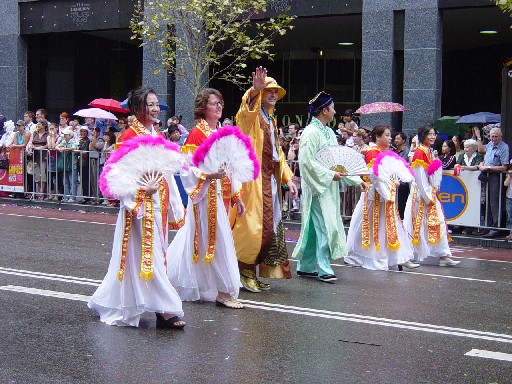
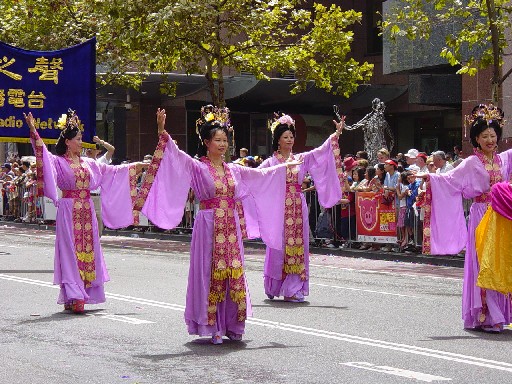
Sydney Welcomes The Year of the Pig
Friday, February 02, 2007
Happy New Year From Sydney
Wednesday, May 24, 2006
Someone passed on this one to me. I thought it makes good reading and like to share it with you.
從朋友手中傳來這則訊息。這篇文章不長,但卻雋永奧妙,希望和你一起分享。
1. Take into account that great love and great achievements involve great risk.
要考慮到,濃情烈愛與豐功偉業都蘊含著極大的風險。
2. When you lose, don’t lose the lesson.
即便失敗了,也別錯過其中的教訓。
3. Follow the three R’s: Respect for self, Respect for other’s and Responsibility for all your actions.
遵守三個原則:尊重㉂己;尊重他人;為個人一切行為負責。
4. Remember that not getting what you want is sometimes a wonderful stroke of luck. 別忘了,塞翁失馬,焉知非福。
5. Learn the rules so you know how to break them properly. 先弄懂規則,才會知道該如何㊜切地打破成規。
6. Don’t let a little dispute injure a great relationship.
別讓小小的爭執傷害到深厚的關係。
7. When you realize you’ve made a mistake, take immediate steps to correct it.
發現㉂己犯了錯的時候,立即採取補救措施。
8. Spend some time alone every day.
每天花點時間獨處。
9. Open arms to change, but don’t let go of your values.
擁抱變革,但也要堅守個人價值觀。
10. Remember that silence is sometimes the best answer. 請牢記在心,保持緘默有㈲時候是最好的答覆。
11. Live a good, honorable life. Then when you get older and think back, you’ll be able to enjoy it a second time.
生活誠實正直.那麼,老來回首前塵時,就可以重溫生之喜悅。
12. A loving atmosphere in your home is the foundation for your life. 家中氣氛和諧安樂,即是您這一生的基石。
13. In disagreements with loved ones, deal only with the current situation. Don’t bring up the past.
和親人意見相㊧時,請就事論事,別翻舊帳。
14. Share your knowledge. It’s a way to achieve immortality. 和他人分享知識。這是永垂不朽的途徑之一。
15. Be gentle with the earth.
善待地球。
16. Once a year, go someplace you’ve never been before.
每年拜訪一個您從未履足過的地方。
17. Remember that the best relationship is one in which your love for each other exceeds your need for each other.
請記住,所謂的最佳關係是指,雙方對彼此的愛凌駕在雙方對彼此的需索之上。
18. Judge your success by what you had to give up in order to get it. 看看您在成功之前必須放棄多少,就足可衡量成功的程 度。
19. Approach love and cooking with reckless abandon.
愛和烹飪之道即在恣情任性而為。
20. Add this one yourself.
请你自己加上去。
從朋友手中傳來這則訊息。這篇文章不長,但卻雋永奧妙,希望和你一起分享。
1. Take into account that great love and great achievements involve great risk.
要考慮到,濃情烈愛與豐功偉業都蘊含著極大的風險。
2. When you lose, don’t lose the lesson.
即便失敗了,也別錯過其中的教訓。
3. Follow the three R’s: Respect for self, Respect for other’s and Responsibility for all your actions.
遵守三個原則:尊重㉂己;尊重他人;為個人一切行為負責。
4. Remember that not getting what you want is sometimes a wonderful stroke of luck. 別忘了,塞翁失馬,焉知非福。
5. Learn the rules so you know how to break them properly. 先弄懂規則,才會知道該如何㊜切地打破成規。
6. Don’t let a little dispute injure a great relationship.
別讓小小的爭執傷害到深厚的關係。
7. When you realize you’ve made a mistake, take immediate steps to correct it.
發現㉂己犯了錯的時候,立即採取補救措施。
8. Spend some time alone every day.
每天花點時間獨處。
9. Open arms to change, but don’t let go of your values.
擁抱變革,但也要堅守個人價值觀。
10. Remember that silence is sometimes the best answer. 請牢記在心,保持緘默有㈲時候是最好的答覆。
11. Live a good, honorable life. Then when you get older and think back, you’ll be able to enjoy it a second time.
生活誠實正直.那麼,老來回首前塵時,就可以重溫生之喜悅。
12. A loving atmosphere in your home is the foundation for your life. 家中氣氛和諧安樂,即是您這一生的基石。
13. In disagreements with loved ones, deal only with the current situation. Don’t bring up the past.
和親人意見相㊧時,請就事論事,別翻舊帳。
14. Share your knowledge. It’s a way to achieve immortality. 和他人分享知識。這是永垂不朽的途徑之一。
15. Be gentle with the earth.
善待地球。
16. Once a year, go someplace you’ve never been before.
每年拜訪一個您從未履足過的地方。
17. Remember that the best relationship is one in which your love for each other exceeds your need for each other.
請記住,所謂的最佳關係是指,雙方對彼此的愛凌駕在雙方對彼此的需索之上。
18. Judge your success by what you had to give up in order to get it. 看看您在成功之前必須放棄多少,就足可衡量成功的程 度。
19. Approach love and cooking with reckless abandon.
愛和烹飪之道即在恣情任性而為。
20. Add this one yourself.
请你自己加上去。
Wednesday, April 19, 2006
Tradition dies hard?
People always say: “tradition dies hard.” From the beginning of time, traditions had been an integral part of one’s cultural heritage. In every community, people practice their traditions inherited from their ancestors. The many traditions practiced by the many communities have ensured a diversification of cultures that enriched everyone’s life. However, in today’s society, many of the younger generation had viewed some traditions as out of step with time, and these traditions are slowing dying out. Is that good or bad?
I once heard about this experiment done on monkeys. I am not sure whether it is true or not. The experiment commenced with putting five monkeys in a cage. A bunch of banana was hung from the roof of the cage and a ladder was placed just below the bananas. Soon after the monkeys were put into the cage, one of the monkeys started to approach the ladder in order to reach for the bananas. As soon as the monkey reached the ladder, the rest of the monkeys were sprayed with very cold water. This process was repeated. The monkeys quickly learned that they would suffer with the cold water spray if one on them try to climb the ladder. So if one of the monkeys tried to climb the ladder, the other monkeys in the cage would attack it and prevent it from reaching the ladder.
Now one of the monkeys in the cage is removed and replaced with a new monkey who did not know about the cold water spray. Naturally, the new monkey saw the bananas and attempted to climb the ladder to reach for the bananas. To its surprise and horror, all of the other monkeys attacked it. After another attempt and attack, the new monkey knows that it is forbidden to climb the ladder.
Now, the second of the original five monkeys was replaced with another new monkey. The newcomer found itself attacked when it tried to reach for the ladder. The previous newcomer monkey also joined in the attack.
This process was repeated and the third, forth and fifth of the original monkeys was replaced. Every time the newest monkey takes to the ladder, it was attacked by the rest although most
of the monkeys that joined in the attach had no idea why they were not permitted to climb the ladder. Eventually none of the monkeys now had ever been sprayed with cold water. But as soon as any new comer approach the ladder, they would start to attack that monkey. So approaching the ladder became a forbidden act although the original reason behind it was not know to the present group of monkeys.
The above may illustrate how traditions are passed on from generations to generations. This was the way it was and it will always be the way.
In our own way of life, do we ever carry on with some traditions without knowing why? If so, is it important that we find out the origins of the traditions? Is it necessary to review those practices against current knowledge and social norm to determine whether such practices continue to serve their purposes originally intended? Are we any different from the monkeys in the experiment?
I once heard about this experiment done on monkeys. I am not sure whether it is true or not. The experiment commenced with putting five monkeys in a cage. A bunch of banana was hung from the roof of the cage and a ladder was placed just below the bananas. Soon after the monkeys were put into the cage, one of the monkeys started to approach the ladder in order to reach for the bananas. As soon as the monkey reached the ladder, the rest of the monkeys were sprayed with very cold water. This process was repeated. The monkeys quickly learned that they would suffer with the cold water spray if one on them try to climb the ladder. So if one of the monkeys tried to climb the ladder, the other monkeys in the cage would attack it and prevent it from reaching the ladder.
Now one of the monkeys in the cage is removed and replaced with a new monkey who did not know about the cold water spray. Naturally, the new monkey saw the bananas and attempted to climb the ladder to reach for the bananas. To its surprise and horror, all of the other monkeys attacked it. After another attempt and attack, the new monkey knows that it is forbidden to climb the ladder.
Now, the second of the original five monkeys was replaced with another new monkey. The newcomer found itself attacked when it tried to reach for the ladder. The previous newcomer monkey also joined in the attack.
This process was repeated and the third, forth and fifth of the original monkeys was replaced. Every time the newest monkey takes to the ladder, it was attacked by the rest although most
of the monkeys that joined in the attach had no idea why they were not permitted to climb the ladder. Eventually none of the monkeys now had ever been sprayed with cold water. But as soon as any new comer approach the ladder, they would start to attack that monkey. So approaching the ladder became a forbidden act although the original reason behind it was not know to the present group of monkeys.
The above may illustrate how traditions are passed on from generations to generations. This was the way it was and it will always be the way.
In our own way of life, do we ever carry on with some traditions without knowing why? If so, is it important that we find out the origins of the traditions? Is it necessary to review those practices against current knowledge and social norm to determine whether such practices continue to serve their purposes originally intended? Are we any different from the monkeys in the experiment?
Wednesday, March 29, 2006
An Invitation To View My Photos
A few years ago, my wife and I went to China for a holiday. During the trip, I had taken some photos of the places we visited. I thought they were great. I thought I might as well share what I saw with those who might want to see them. So I put up those photos along with other photos snapped around Sydney. Last week, Webshots informed me that my photos have been viewed for 11,230 times and have been downloaded 1033 times, all for free.

I am happy that there are peoples out there who share my views.
You can view my photos at:
http://community.webshots.com/user/kentham
I hope to see your photos too.
Sincerely
Kenny

I am happy that there are peoples out there who share my views.
You can view my photos at:
http://community.webshots.com/user/kentham
I hope to see your photos too.
Sincerely
Kenny
Thursday, February 02, 2006


Hi, Dear All,
Happy New Year 2006 and Gong Xi Fa Cai, Good Health, Happiness, Prosperous everyday of the year of the DOG!
On the third day of the first moon, the class of 67/69 had our gathering at the White Beach Restaurant at Pulau Tikus, altogether there are 5 tables, out of which 1 table was occupied by our wives.
It has been a tradition for us for the past 35 years, and a small group of us, usually about 10 -12 of us never fail to meet every month for dinner at various restaurants in Penang, so if any of you so happen to be in town, check with us when is the next dinner date.
Try to recognise those faces in the photographs!
We have finally put together a CD and a DVD (very high quality) which packed hundreds of photographs and videos of our past events, a soft copy of the directory in PDF files was also included in the CD, these will make searches on the latest contact of the class of 67/69 easy, we have not forgotten those who are not familiar with PCs and internet, hard copy of the directory were also printed, those who wish to receive the above, please call, email or write to Harry Goh Eng Wan. I assure you will be very pleased when you have a chance to get hold of the above.
I hope to receive positive response from all these posting.
JP Wong
Sunday, January 29, 2006
Sydney Welcomes Chinese New Year
And besides the lions, the Asian community welcomes Chinese New Year with Dogs and Dragons. There will be a street parade in Sydney CBD this Sunday 5th February 2006 and dragon boats races the following Sunday 12/2/06. Be quick and jump into a plane to join in time for the fun.
More details at:
http://www.cityofsydney.nsw.gov.au/cny/

More details at:
http://www.cityofsydney.nsw.gov.au/cny/
Subscribe to:
Posts (Atom)